

Ever launched an app feature and watched your inbox flood with the same question?
Users expect help now, not tomorrow. Developers, especially small teams, juggle bugs, shipping timelines, and support queues that never sleep. The gap between user expectations and human-only support grows wider as apps scale.
That gap has pushed support from email and phone toward AI, chatbots, and smarter software. These tools offer quick answers, consistent quality, and 24-hour coverage without burning out your team. They also surface patterns you can act on, which helps you fix the real issues behind repeat tickets.
This article breaks down some current support problems, how AI and chatbots solve them, the next wave of tech, and why this mix of speed and empathy drives app growth. If you build apps or care about ratings, you will find clear steps you can use today.
Overcoming Today’s Hurdles in App Support
Every app team faces the same blockers. Response times lag. Costs spike as user counts rise. Generic replies annoy the very people you worked hard to win. You can feel it in the reviews.
A common pattern looks like this. A new feature doubles daily active users, tickets jump from 50 per day to 250, and the two-person support team works late just to stay within 48 hours. By the end of the week, ratings slip from 4.6 to 4.2, and churn climbs because first-time users never get past setup.
Large apps feel the strain too. Major fintech and shopping apps have cited high-volume bursts during sales or outages. When an integration fails, thousands of users ask the same question. Even with triage, email replies can stretch into the next day. That delay harms trust in apps that handle money or orders.
Speed matters because support is part of the product. Slow help feels like a broken feature. In public app stores, you will see the same phrases: “No response,” “Still waiting,” “Bot that does not help.” Those reviews hurt search ranking, conversion, and growth loops.
You can hire more agents, but global hours and language support drive costs up fast. A smarter system, one that blends automation with human care, gives scale and consistency. That is the shift many teams are making now.
Long Wait Times and Frustrated Users
Users write at the moment of confusion, not on your schedule. Traditional email queues often mean delays that stretch from hours into a full day. Phone lines help, but they do not scale well for busy periods.
Here is a simple story. A new user tries to link a card in a finance app. The error message is vague. They email support, wait overnight, and try again at lunch. Still nothing. They delete the app and leave a two-star review that mentions poor help. The feature worked for most people, but the experience did not work for this person.
Industry surveys often report average email waits in the 12 to 24 hour range for consumer apps. Live chat is faster but not always staffed around the clock. Long waits turn small snags into lost users.
Scaling Support Without Breaking the Bank
Staffing for peaks is expensive. A global app needs coverage across time zones, plus languages, plus weekends. Salaries, tools, training, and QA add up. Many teams see support costs grow faster than revenue during scale-up phases.
Automated options change that equation. A well built chatbot can take on simple issues, handle password or PIN resets, share shipping updates, or walk through setup steps. That leaves human agents free to work on complex cases that build loyalty. For a small team, this can be the difference between growing and stalling.
Personalization Gaps in Generic Responses
Users hate replies that feel copy-pasted. They want answers that match their device, plan, and recent actions. One-size-fits-all responses miss the mark when the problem is tied to a specific OS version or a certain flow in the app.
You can see this in app store comments. “They sent a canned response,” or “They told me to reinstall.” Generic advice helps a few, but it signals that you are not listening. Context-aware support, even in automated form, goes further. It references the last screen, the error code, and the user’s plan. That is the level users expect now.
How AI and Chatbots Are Changing the Game
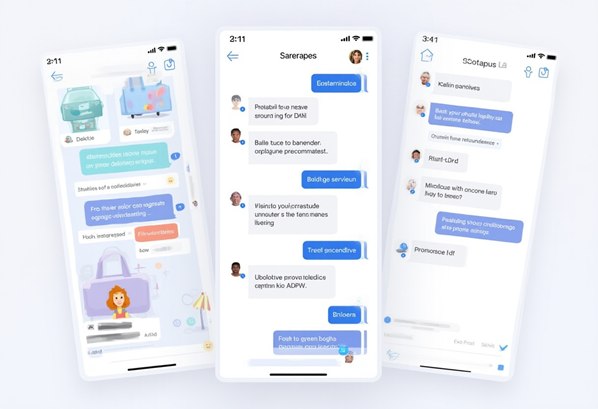
AI brings speed, consistency, and context to app support. Chatbots handle routine questions in seconds, 24 hours a day. Machine learning finds patterns in help requests, which guides product fixes and better copy. Developers can integrate these tools without rebuilding the app.
The benefits are clear. Faster replies, higher first-contact resolution, lower ticket volume, and better insight into what users struggle with most. There are trade-offs too. You need time to train models, map intents, and maintain flows. You also need guardrails for sensitive data. Done right, the gains exceed the setup costs.
Real teams are seeing results. Banking apps use bots to handle balance checks, card freezes, and travel notices. E-commerce apps route order status, returns, and refunds to chat without a human in the loop. Retention improves when users get help, finish the task, and move on.
The Power of Smart Chatbots for Quick Fixes
Modern chatbots use natural language understanding to match user intent. Tools like Dialogflow, IBM watsonx Assistant, and custom NLP models parse questions and route users to the right step. You can add links, mini forms, and step-by-step guides inside the chat.
When these bots handle FAQs and basic troubleshooting, teams often report a large drop in ticket volume. In many case studies, bots reduce repetitive tickets by up to 70 percent. That means agents can focus on deeper cases, which also boosts morale.
AI’s Role in Smarter, Predictive Help
AI can study user behavior to spot friction. If many users drop on the same screen, the system can offer in-app tips, suggest a different path, or log an alert for the team. It can also tailor replies based on device, plan, or past chats.
I have seen teams use this to suggest the next best action. For example, if an older app version crashes on a certain screen, the AI flags users on that build and prompts an update with a clear note. Users feel seen, and support never gets the ticket.
Seamless Integration with App Ecosystems
Developers can embed AI support using SDKs and APIs, so help sits inside the app. Users do not need to jump to email or a web form. The chat window looks like part of the product, with a tone that matches your brand.
Small touches matter. Typing indicators, quick reply buttons, and saved context make it feel like a friendly chat, not a form. When the bot reaches its limit, it hands off to a human with the full history, which keeps the experience smooth.

Looking Ahead: Tech Trends Beyond AI Chatbots
What comes after smart chat? Support is moving toward voice, visual help, and stronger trust models. Some of this is here now, some is near. The goal is the same, less friction and more clarity for the user, with less lift for the team.
Voice assistants will help users fix problems while their hands are busy. AR can point to the button they need, right on their screen. Strong identity tools will protect sensitive chats and payments. Data models will predict needs before users ask, in a way that respects privacy.
Ethics matter as you add power. Be clear about what data you collect, why you collect it, and how long you keep it. Give users control. Build fallbacks for edge cases. The teams that get trust right will win.
Voice and Visual Assistants for Hands-Free Support
Voice-based help, through integrations with Alexa, Siri Shortcuts, or in-app voice, can answer quick questions or trigger actions like “reset my password” or “check my order.” For people on the go, that speed feels natural.
AR overlays can guide users through complex steps. Picture a camera view that highlights the right toggle or menu path. For hardware-tied apps or advanced settings, this saves time and reduces error. It also cuts down on long email threads.
Predictive Analytics and Hyper-Personalization
With strong data pipelines, you can predict who may get stuck and help earlier. Send a simple nudge when a setup step stalls. Offer the right tutorial when a feature is rarely used. The key is timing and context.
Done well, this builds trust. Users feel like the app understands their goal. Careless timing, on the other hand, feels spammy. Start small. Measure impact. Adjust.
The Rise of Self-Service Portals with Advanced Tech
Self-service is growing up. Knowledge bases now use AI search that reads intent, not just keywords. Answers pull from docs, past tickets, and release notes. Community forums get moderation bots that keep threads clean and on topic.
This helps users fix things on their own. It also helps teams, since each great answer is one you do not have to write again. Tie your portal to your in-app chat, so the bot can suggest the best article before opening a ticket.
High Ratings, Low Churn
App users judge your support like a core feature. Long waits and copy-paste replies stall growth. AI, chatbots, voice, AR, and smarter self-service give teams the speed, context, and scale they need.
Start with a chatbot that covers your top ten questions. Add context from device data and recent actions. Feed insights back into product, copy, and onboarding. Keep privacy clear and opt-ins simple.
The teams that act now will keep ratings high and churn low. Try a small pilot this month, even if it is a guided FAQ inside chat. The future of app developer customer service is fast, kind, and data-informed. Build it before your reviews ask you to.