
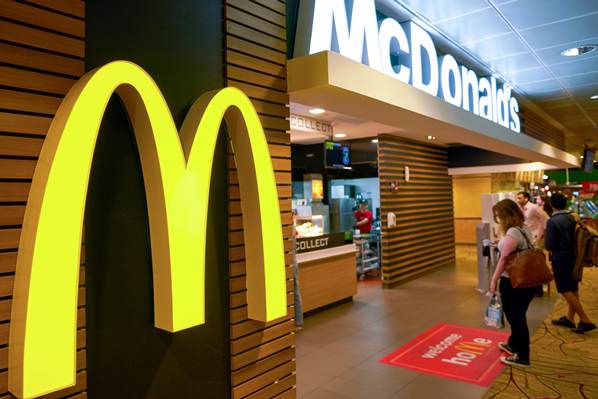
For a global giant like McDonald’s, customer service isn’t just a nice-to-have, it’s the backbone of day-to-day business.
With millions of people walking in and out of its doors each day, it’s easy to see how even a small percentage of unhappy guests can turn into a flood of mcdonalds customer complaints.
Good complaint handling isn’t just about calming angry customers, it goes deeper. Each case is a chance to improve. The brand’s reputation rides on how well staff and managers respond, making problem-solving a daily lesson in trust-building.
Most Infamous McDonald’s Customer Complaint
Some customer complaints make headlines. Perhaps the most infamous mcdonalds customer complaints story is the hot coffee lawsuit from 1992, when a customer spilled coffee in her lap and was severely burned. The case, often misunderstood, highlighted real gaps in communication and product warning, and led to changes in serving practices and cup labeling companywide. It’s a reminder that even single complaints can change billion-dollar businesses.
How McDonald’s Handles Customer Complaints
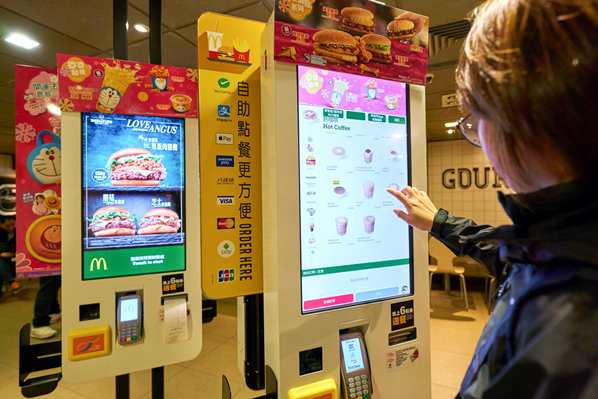
McDonald’s has built systems for addressing customer concerns that combine training, companywide policies, and digital tools. When a guest isn’t happy, the expectation is simple: address the issue quickly, offer a solution, and maintain a positive attitude. This starts on the restaurant floor and extends to their online customer service teams.
Crew members are taught to listen, apologize, solve the problem and thank the customer—sometimes right on the spot. Store managers have checklists and guides, ensuring complaints get tracked and addressed the same way across different locations. These practices should build a safety net, so whether you’re in New York or Boise, the response feels familiar and fair.
For details about McDonald’s approach, you can check the official Customer Service & FAQs page. They encourage feedback through many channels and set expectations for how concerns are handled.
In-Restaurant Complaint Procedures
Everything starts at the counter. If a guest has a complaint (wrong order, cold food, long wait), the first point of contact is usually a crew member. Employees are trained to listen first, apologize, and offer immediate solutions. This might mean remaking a meal or giving a quick refund, minimizing frustration and wait time.
If the issue is more complex or the customer isn’t satisfied, it’s raised to a manager. Managers step in with more authority and are empowered to provide on-the-spot compensation, whether that’s a coupon, a free item, or another gesture to make things right.
You can view more about what happens behind the counter from an insider perspective at McDonald’s Complaint Handling Process.
The Basic Steps Inside a McDonald’s
- Listen and Acknowledge: Employees show attention and apologize.
- Take Action: Replace the meal, offer compensation, or solve the problem.
- Escalate if Needed: Manager involvement when a complaint is complex or recurring.
- Document the Issue: Details are recorded to help spot trends and prevent repeats.
Online and Digital Complaint Channels
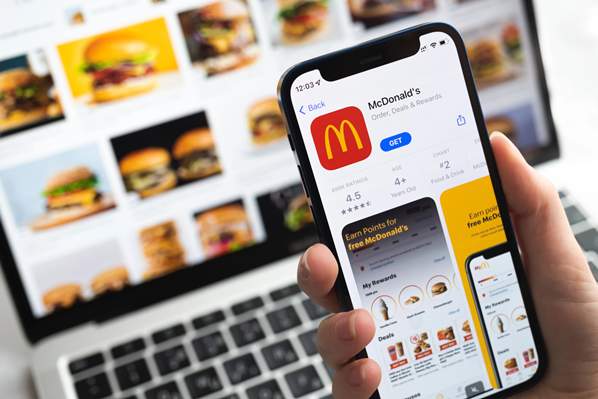
Not all mcdonalds customer complaints happen in the dining area. Many guests take to the web or their phones when something isn’t right. Online complaints are common, especially with the popularity of the McDonald’s app, delivery, and social media.
Customers can file a complaint directly through the online feedback forms, mobile app support, or by calling their hotline. Staff aim to reply quickly and direct customers to a solution.
Managers monitor these digital complaints. Each one enters a tracking system, making sure no concern is lost in the shuffle. This approach is designed to protect guests who don’t want to speak up in person or need help after their visit.
What Happens After a Complaint Is Made?
Once a complaint is reported—whether at the counter or online—it enters a background process designed for follow-through. It’s not enough to hand out a new meal and move on. McDonald’s central office tracks patterns. Are several people upset about slow drive-thru service? Is a particular store getting multiple food quality complaints?
Data from every complaint is compiled and analyzed at both regional and national levels. This information helps identify gaps in training, equipment, menu items, or staffing.
There’s also a follow-up step. Customers often get a message or call making sure their concern has been addressed. It’s standard for managers to check that a guest feels satisfied with the solution. This closes the loop and helps rebuild trust.
Complaints, when managed well, have a ripple effect. They shape training, store improvements, and even new menu items.
Feedback Loops and Staff Training
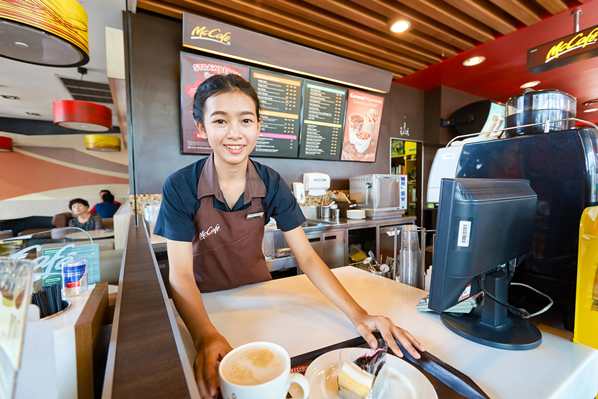
When data shows a recurring problem, the feedback reaches the heart of the operation: training programs and store audits. If, for example, complaints spike about cold fries, the training team updates their protocols and staff are retrained using hands-on lessons and digital modules.
Sometimes changes go even further. If a product isn’t meeting standards (such as a machine that keeps breaking down), corporate may replace equipment or tweak operations.
Complaint trends help stores make decisions. For example, if guests routinely complain about slow service during peak hours, a manager might adjust shift schedules or add more staff. This keeps small hiccups from growing into big headaches.
Looking for strategies McDonald’s uses to fix issues? Check out this collection of Better Business Bureau complaints and resolutions for real examples of how cases get resolved.
Continous Learning
McDonald’s faces a huge number of customer interactions each day, which means customer complaints are inevitable. What sets a brand apart isn’t just the scale of complaints, but how they’re handled. Fast solutions, friendly staff, and follow-through build trust. Tracking and learning from complaints keeps the restaurants running better.
For anyone dealing with issues at a McDonald’s, remember there’s a system—and real people—behind each complaint. Next time you find something wrong with your meal, know that your feedback isn’t just heard, it’s used to make tomorrow’s visit better for someone else. The company turns McDonald’s customer complaints into lessons, proving that even global giants strive to keep learning, one order at a time.